
-
Hunterworks 2020-2026 Polaris Ranger 1000 SOHC (Non-XP) Belt
Regular price From $169.00Regular priceUnit price per -
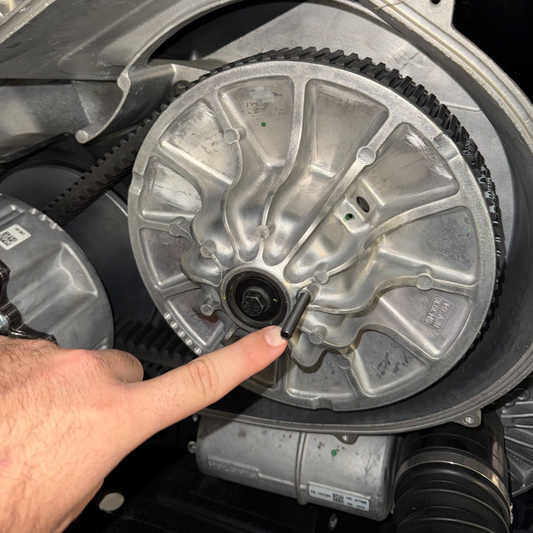
Belt Change Screw for Polaris Ranger SOHC 1000 (All Years)
Regular price $14.00Regular priceUnit price per -
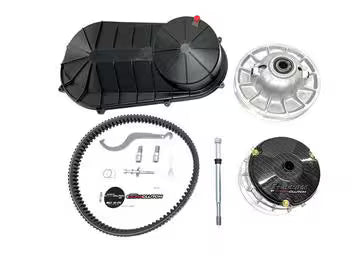
Duraclutch R Series Complete Clutch System for Polaris Ranger SOHC 1000 NON XP
Regular price From $1,499.00Regular priceUnit price per -
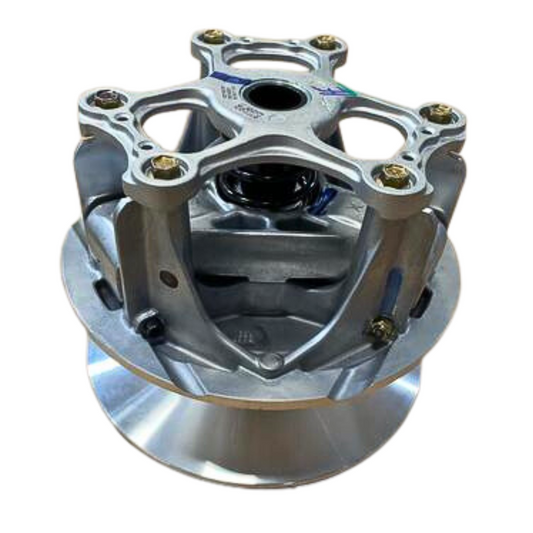
2020-2026 OEM Polaris Ranger 1000 SOHC Non XP Primary Clutch
Regular price From $880.00Regular priceUnit price per -
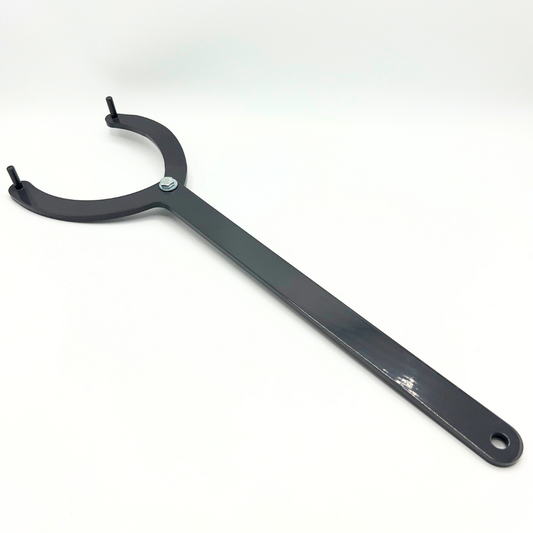
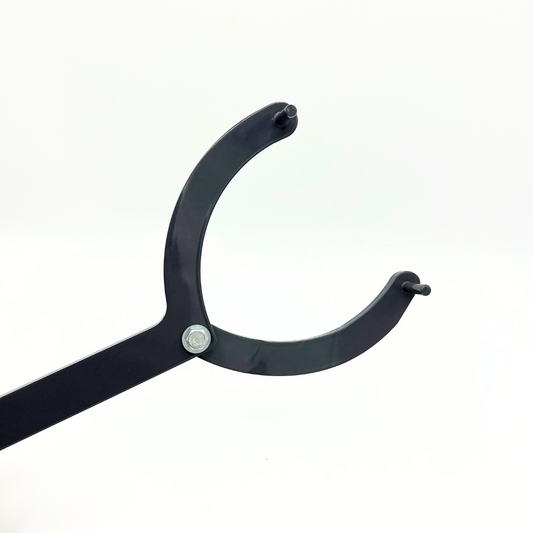
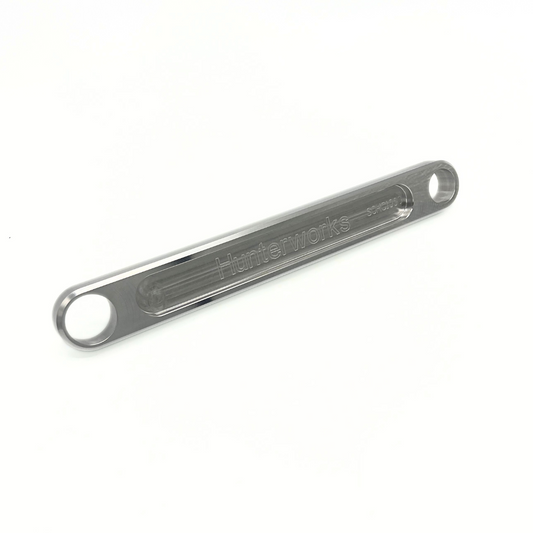
Polaris Primary Clutch Holder Tool
Regular price $58.00Regular priceUnit price per -
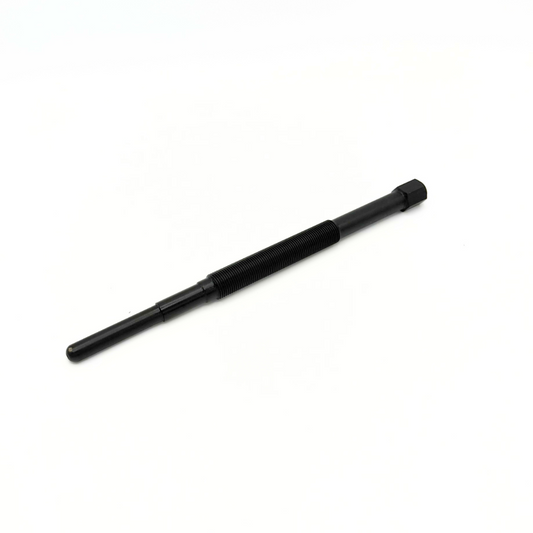
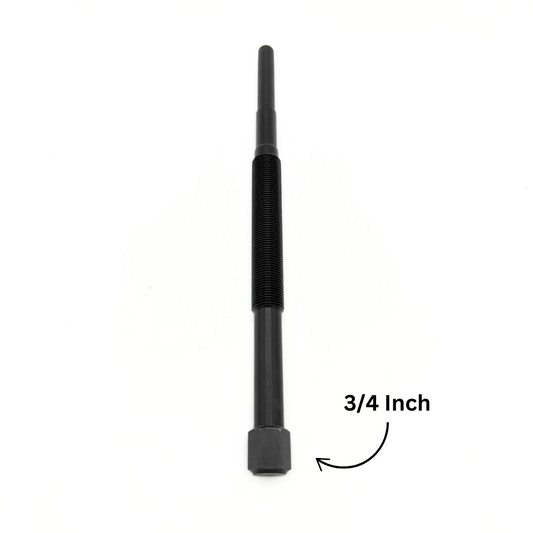
HW Universal Polaris Primary Clutch Puller
Regular price $53.00Regular priceUnit price per -
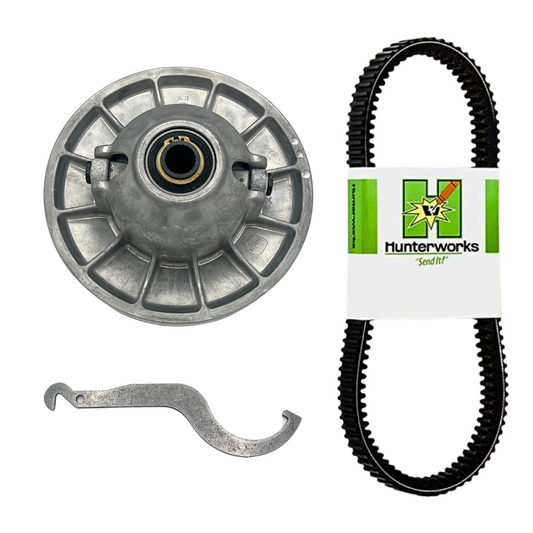
Polaris Ranger 1000 Non XP SOHC Secondary Clutch System
Regular price $598.00Regular priceUnit price per -
Gear Butter
Regular price From $34.00Regular priceUnit price per -
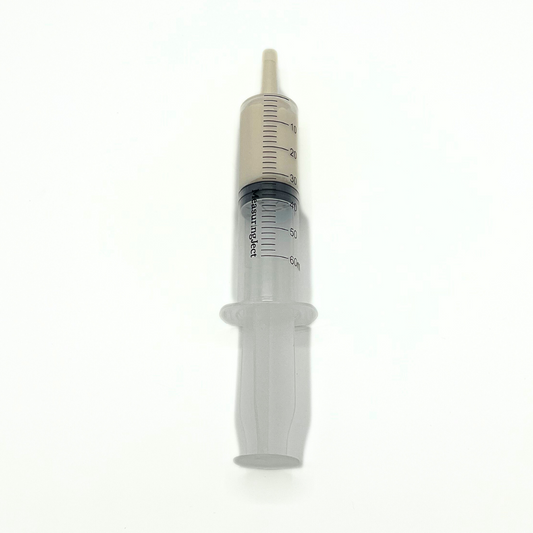
Hunterworks (Primary Bearing) Needle Bearing Grease
Regular price $20.00Regular priceUnit price per -
Hunterworks Clutch Spring Compressor Tool
Regular price $89.00Regular priceUnit price per -
(Hunterworks Alignment Tool) 2020-2026 Polaris Ranger SOHC 1000
Regular price $74.00Regular priceUnit price per -
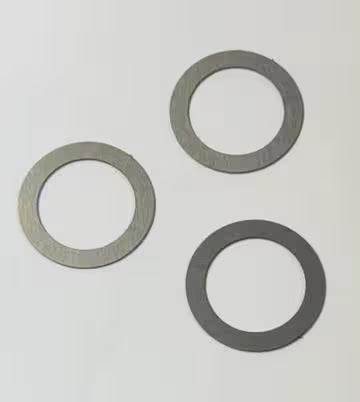
Hunterworks Secondary Alignment Shims
Regular price $20.00Regular priceUnit price per -
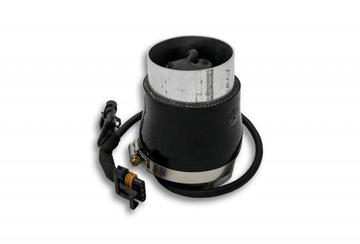
Clutch Inline Blower for Polaris Ranger 900/1000
Regular price $183.00Regular priceUnit price per -
2018-2026 Polaris Ranger SOHC 1000 Rubber Floor Mats (NON XP MODELS) Base,EPS,Premium
Regular price From $160.85Regular priceUnit price per -
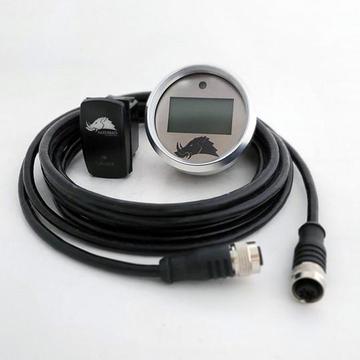
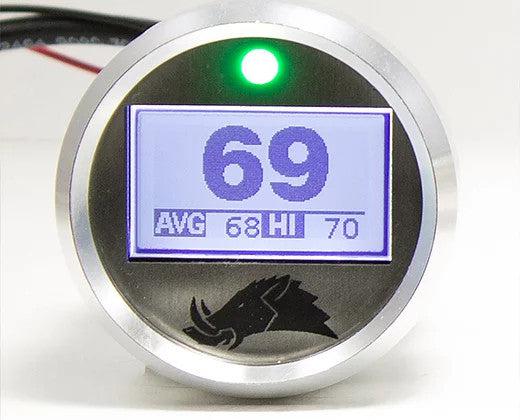
Razorback Belt Temp Gauge
Regular price $310.00Regular priceUnit price per -
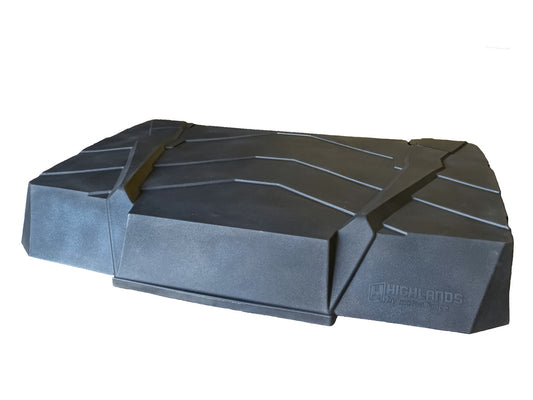
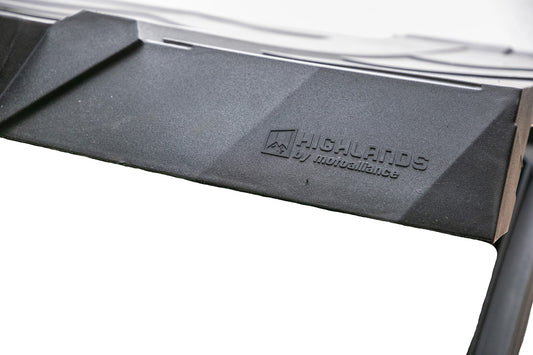
Highlands Ranger 1000 & XP 1000 Weatherproof Bed Cover
Regular price $749.99Regular priceUnit price per -
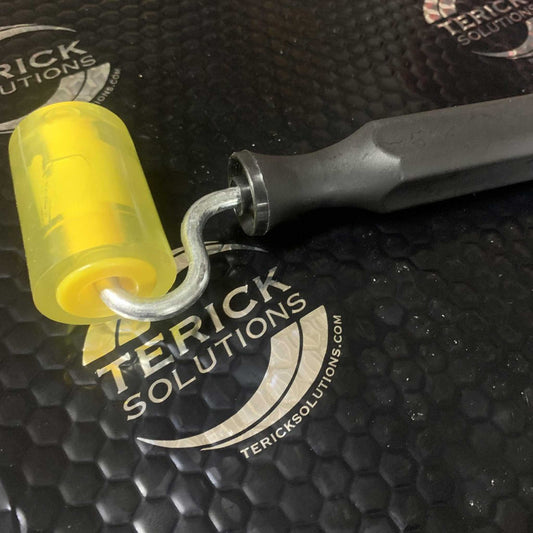
Terick 100 mil Sound Deadening UTV Insulation Kits
Regular price From $64.75Regular priceUnit price per -
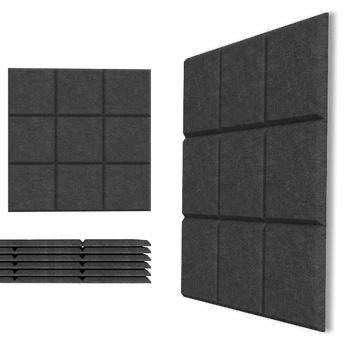
UTV Sound Absorbing Acoustic Panels, Can Am, Polaris, CF Moto, Kawasaki
Regular price $42.75Regular priceUnit price per -
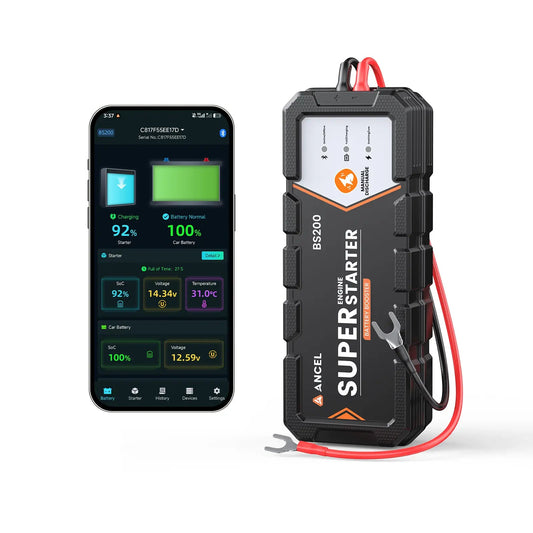
ANCEL BS200 Super Starter – 700A Supercapacitor Battery Guardian
Regular price $152.99Regular priceUnit price per -
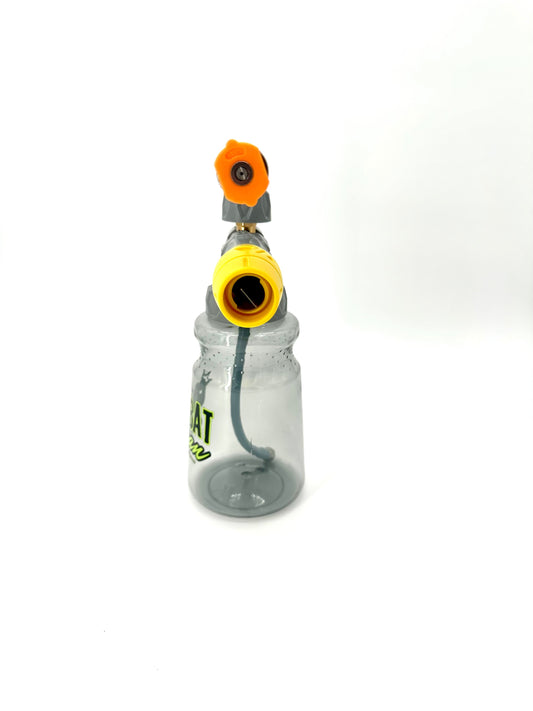
Combat Clean Snow Foam Cannon (Double Action)
Regular price $65.00Regular priceUnit price per -
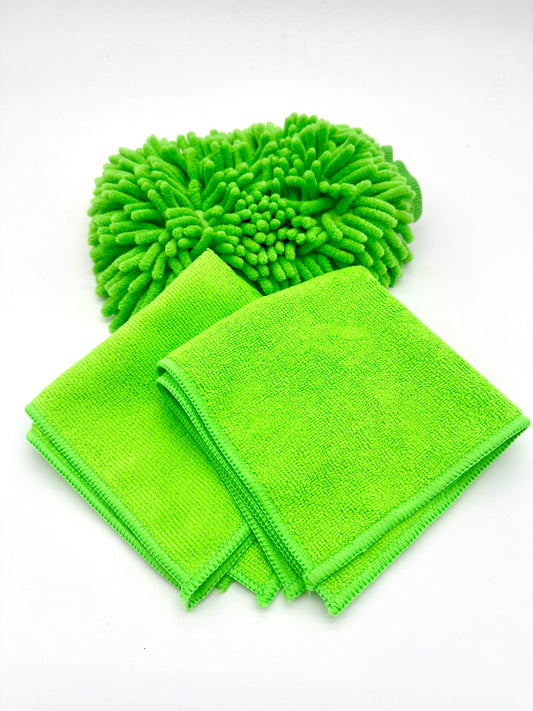
Combat Cleaning Mitt and Towel Combo Set
Regular price $25.00Regular priceUnit price per -
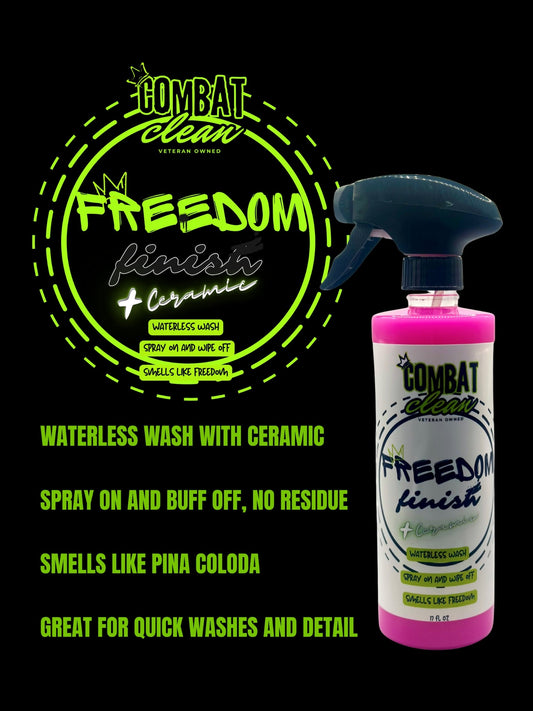
Combat Clean Freedom Finish (Ceramic Waterless Wash)
Regular price From $25.00Regular priceUnit price per -
Combat Clean Grease Grenade (De-Greaser)
Regular price From $25.00Regular priceUnit price per -
Combat Clean Pre Flight (Interior Quick Detail)
Regular price From $25.00Regular priceUnit price per














Frequently Asked Questions:
What happens if clutch components are not replaced in time?
Worn clutch components put direct stress on the CVT belt and surrounding hardware. Belt glazing, overheating, and uneven wear follow quickly. Left long enough, the damage spreads into the secondary clutch and drivetrain, turning a straightforward replacement into a significantly larger repair.
Do these clutch kits fit 2020 and newer Ranger 1000 models?
Fitment on the Ranger 1000 SOHC is year-specific. Confirm your model year and engine configuration before ordering. If your machine is 2020 or newer, check the product page for confirmed fitment details, or contact us before placing your order.
Are clutch kits interchangeable between Ranger 1000 and Ranger XP 1000?
No. The Ranger 1000 SOHC and the Ranger XP 1000 run different engine configurations and clutch specs. A kit built for the XP will not deliver the correct shift points or belt engagement on the SOHC. Confirm your exact variant before ordering.
How do I confirm my Ranger 1000 is SOHC or a different variant?
Check the model designation on your machine or in your owner documentation. The SOHC designation reflects the engine configuration, and that detail determines which clutch kits and weights fit correctly. If you are unsure, contact us with your model year before ordering.
Can regular inspection help prevent major clutch problems?
Yes. Inspecting belt condition, clutch components, and weights at regular intervals catches wear before it compounds. A belt showing early glazing or a weight showing uneven wear is a straightforward fix. The same problem, left unaddressed, works its way through the entire CVT system over the course of the trail riding seasons.