
-
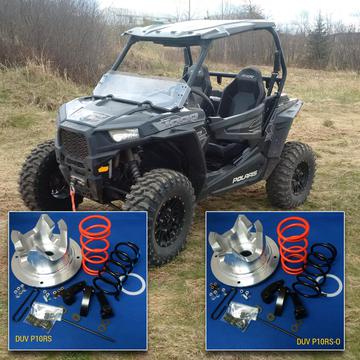
Dalton Clutch Kit 2014-2015 Polaris RZR XP 1000 (2 Seat)
Regular price From $409.00Regular priceUnit price per -
Dalton Clutch Kit 2014 Polaris Ranger XP 900
Regular price $85.00Regular priceUnit price per -
Dalton Clutch Kit 2013-2021 Polaris RZR 570 STD.
Regular price $270.00Regular priceUnit price per -
Dalton Clutch Kit 2008-2009 Polaris RZR 800 and RZR S
Regular price $287.00Regular priceUnit price per -
Dalton Clutch Kit 2013-2016 Polaris RZR 570LE
Regular price From $270.00Regular priceUnit price per -
Dalton Clutch Kit 2011-2014 Polaris RZR 800 and RZR S
Regular price $296.00Regular priceUnit price per -
Dalton Clutch Kit 2010-2014 Polaris RZR 800 (4 Seat)
Regular price $296.00Regular priceUnit price per -
Dalton Clutch Kit 2010 Polaris RZR 800 and RZR S
Regular price $296.00Regular priceUnit price per -
Dalton Clutch Kit 2016-2026 Polaris RZR 900
Regular price $424.00Regular priceUnit price per -
Dalton Clutch Kit 2015 Polaris RZR 900 Trail with EBS
Regular price $309.00Regular priceUnit price per -
Dalton Clutch Kit 2015 Polaris RZR 900 Trail and S
Regular price $309.00Regular priceUnit price per -
Hunterworks Clutch System, 2016-2021 Polaris RZR 900
Regular price $799.00Regular priceUnit price per -
Dalton Clutch Kit 2011-2014 Polaris RZR XP 900
Regular price From $293.00Regular priceUnit price per -
Dalton Clutch Kit 2014-2015 Polaris RZR XP4 1000
Regular price From $409.00Regular priceUnit price per -
Dalton Clutch Kit 2016-2023 Polaris RZR XP 1000 (2 Seat)
Regular price $424.00Regular priceUnit price per -
Dalton Clutch Kit 2016-2023 Polaris RZR XP4/Highlifter 1000
Regular price $424.00Regular priceUnit price per -
Dalton Clutch Kit 2016-2026 Polaris RZR 1000S
Regular price $424.00Regular priceUnit price per -
Hunterworks Polaris General XP Start Fresh Clutch System W/Dalton Kit
Regular price $1,693.00Regular priceUnit price per -
Hunterworks Polaris RZR 1000S Start Fresh Clutch System W/Dalton Kit
Regular price $1,693.00Regular priceUnit price per -
Hunterworks Polaris RZR XP 1000 Start Fresh Clutch System W/Dalton Kit
Regular price $1,644.00Regular priceUnit price per -
Hunterworks Polaris General (Non-XP) Start Fresh Clutch System W/Dalton Kit
Regular price $1,693.00Regular priceUnit price per$0.00Sale price $1,693.00 -
Dalton Clutch Kit 2017-2023 Polaris RZR XP 1000 (2 Seat)
Regular price $324.00Regular priceUnit price per -
Hunterworks 2016-21 Polaris RZR XP 1000 Clutch System
Regular price From $819.00Regular priceUnit price per -
Dalton Clutch Kit 2017-2020 Polaris RZR Turbo (Two/Four Seat)
Regular price $319.00Regular priceUnit price per




Frequently Asked Questions:
What are the signs of a failing clutch?
The most common signs include slipping while accelerating, jerky or hesitant engagement at low RPM, and lack of power when you accelerate. Common problems are worn-out springs, weights, and usual wear on a clutch. Bearings, rollers, and metal can be damaged over the years of riding. Consider upgrading to a clutch kit to ensure longevity, but we do not recommend installing a new kit in an old clutch system.
Are clutch kits vehicle-specific?
Yes. Clutch kits are matched to each vehicle based on gearing, RPM, riding style, and the clutches themselves. A kit made for a Polaris RZR isn’t the same as one designed to fit under a General or a Turbo model. Always confirm fitment before purchasing. Clutch kits are not universal and need the proper parts for the job.
What’s the difference between OEM clutch calibration and aftermarket clutch kit calibration?
OEM manufacturers set up each vehicle with a specific internal clutch setup for stock ratios, gearing, and that vehicle's intended use. Aftermarket clutch kits provide adjustability. When you upgrade tires to a larger size, shift phase RPM will be lost. In some cases the manufacturer will get the clutch calibration wrong and it takes an outside source to properly set up those clutches with the correct parts.
How do I maintain a clutch kit for longer life?
Keep the clutch housing free of debris. Check for wear on the sheaves and various parts when servicing. Ride the vehicle as intended for the clutch setup. You do not have to baby a kit but putting a belt-driven vehicle in sticky situations will not be good for longevity.