
-
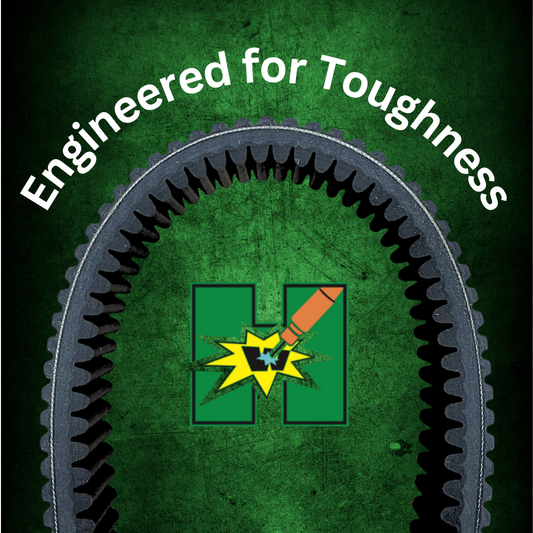
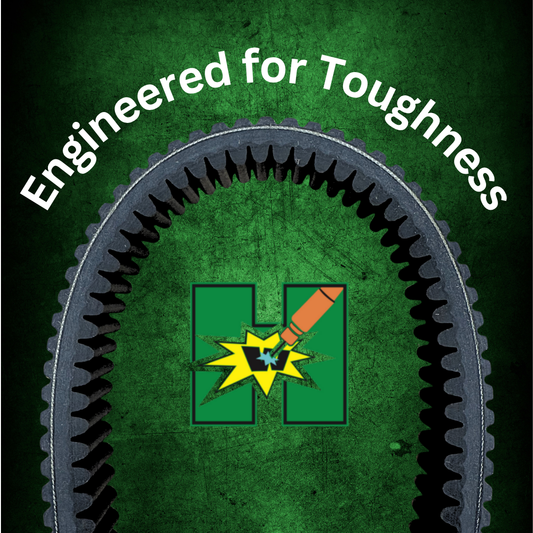
Hunterworks CVT Belt for Arctic Cat 8000 Series Snowmobile (M, ZR, Riot, XF)
Regular price $169.00Regular priceUnit price per -
Hunterworks CVT Belt for Arctic Cat 858 Snowmobile (EXT Special, HCR, HCX, M, Riot, ZR)
Regular price $169.00Regular priceUnit price per -
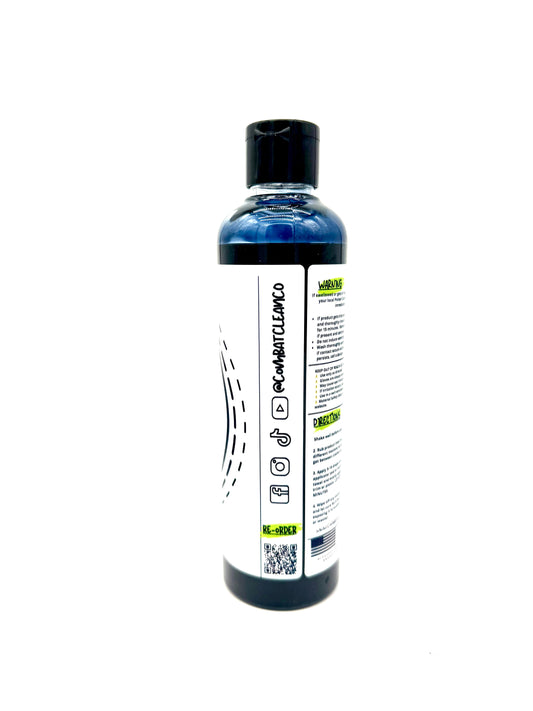
Combat Clean Pre Flight (Interior Quick Detail)
Regular price From $25.00Regular priceUnit price per -
Combat Clean Trim Therapy – Trim & Plastic Restorer
Regular price $25.00Regular priceUnit price per -
Combat Clean Freedom Finish (Ceramic Waterless Wash)
Regular price From $25.00Regular priceUnit price per -
Combat Clean Grease Grenade (De-Greaser)
Regular price From $25.00Regular priceUnit price per -
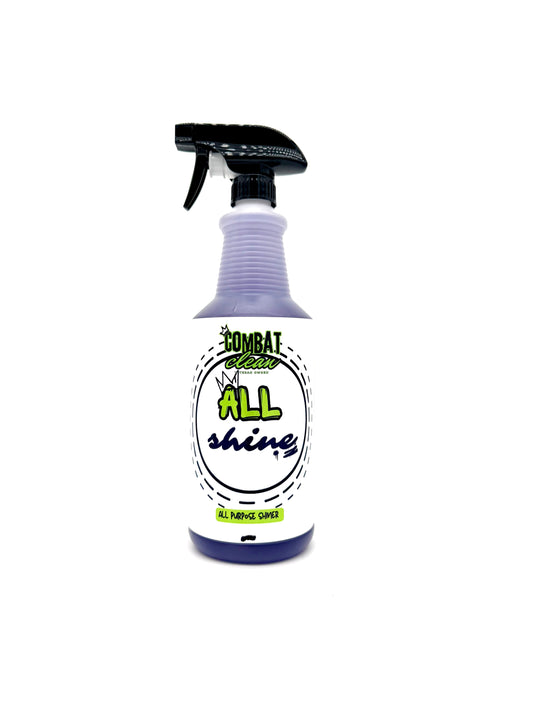
Combat Clean All Shine ( ATV / UTV Plastic / Tire Shine )
Regular price From $25.00Regular priceUnit price per -
Combat Clean Dirt Defender (Super Foam ATV/UTV Shampoo)
Regular price From $25.00Regular priceUnit price per$2,500.00Sale price From $25.00Sale












Frequently Asked Questions:
What does a drive belt do in an Arctic Cat ATV or UTV?
The CVT drive belt connects the primary and secondary clutches, translating engine output into usable forward motion without a conventional gearbox. As the primary clutch engages and the secondary clutch responds to load, the belt carries that force between them. Sharp throttle response and consistent performance under varying conditions both depend on the belt holding up properly throughout the ride.
When should I replace my Arctic Cat belt?
Depending on how the machine is used, wear timelines vary. Glazing, visible edge cracking, reduced throttle response, and slippage under hard acceleration are all signs that the belt is due. Machines running adjustable weights or stiffer secondary springs tend to stress the belt more, tightening service intervals. Regular inspection after hard use is the most reliable way to catch wear before it becomes a trailside failure.
How do I find the correct belt for my model?
Arctic Cat produces multiple variants across its lineup, and belt dimensions aren't interchangeable between platforms. The right belt is determined by model year and engine configuration. Depending on whether the clutch system runs stock or modified secondary springs and weights, fitment needs can shift. Check the product page for specific compatibility details and reach out directly if confirmation is needed before ordering.
Can a heavy-duty belt handle oversized tires?
Yes, with the right supporting setup. Larger tires add rotational mass and increase load on the secondary clutch during every ride. A heavy-duty belt handles that stress better than a standard replacement, especially when weights and secondary springs have been recalibrated for the tire size. If the primary and secondary clutch haven't been tuned alongside the upgrade, even a quality belt will wear faster than it should.
How do I install an Arctic Cat CVT belt?
Installation begins with opening the clutch housing and pulling the old belt free from between the primary and secondary clutch sheaves. The new belt goes onto the secondary clutch first, then works onto the primary with the sheaves held apart. Depending on the model, steps can vary, so reviewing the tech article or video on the product page before starting is worth the time. A belt that isn't fully seated will wear unevenly and may slip under load.