
-
Hunterworks CVT Drive Belt for 2020-2025 Kawasaki TERYX KRX 1000 / KRX4 1000
Regular price From $189.00Regular priceUnit price per -
Kawasaki Ridge / KRX Belt Change Tool
Regular price $14.00Regular priceUnit price per -
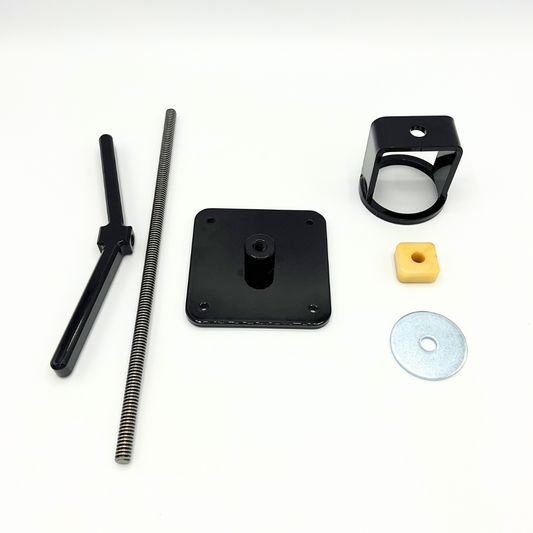
Hunterworks Clutch Spring Compressor Tool
Regular price $89.00Regular priceUnit price per -
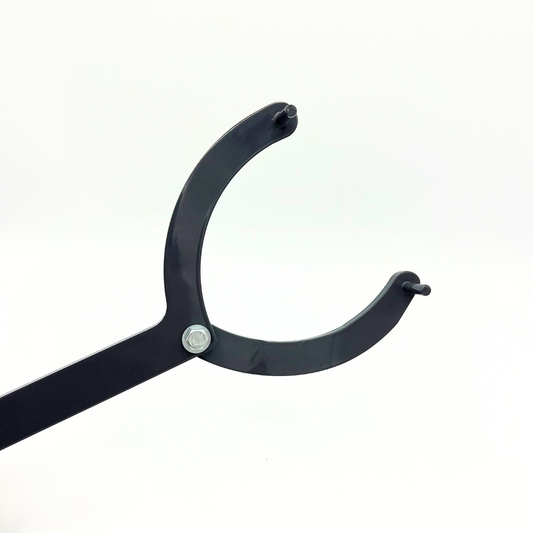
Hunterworks Kawasaki Clutch Holder Tool / Torque Tool
Regular price $58.00Regular priceUnit price per -
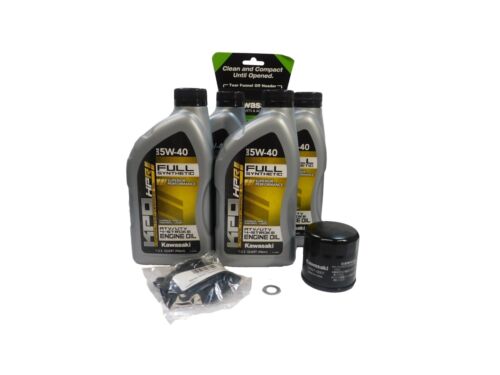
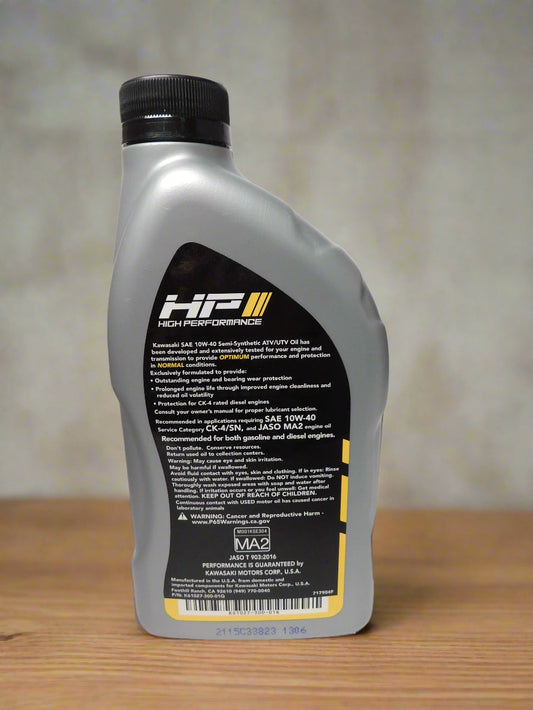
2012-2026 Kawasaki OEM Teryx 1000, 750 Full Synthetic Oil Change Kit 99974-0160
Regular price $93.99Regular priceUnit price per -
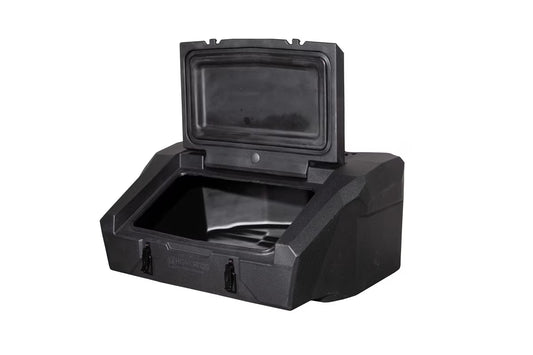
Highlands 2020-2026 Kawasaki KRX Weatherproof Bed Cover
Regular price $489.99Regular priceUnit price per -
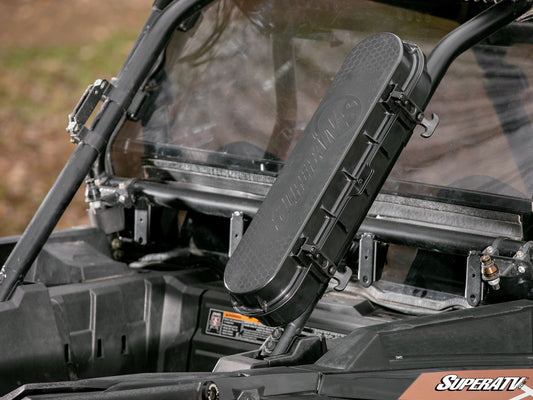
SuperATV UTV Belt Case (Roll Cage Mount)
Regular price From $124.75Regular priceUnit price per$155.94Sale price From $124.75Sale -
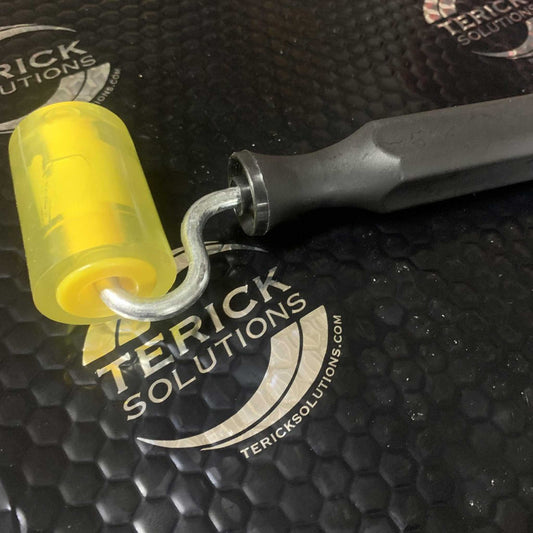
Terick 100 mil Sound Deadening UTV Insulation Kits
Regular price From $64.75Regular priceUnit price per -
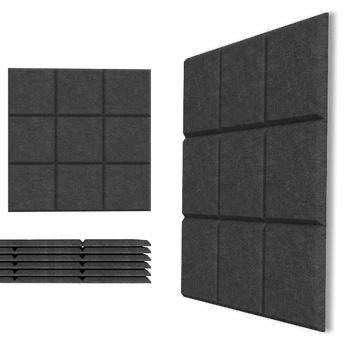
UTV Sound Absorbing Acoustic Panels, Can Am, Polaris, CF Moto, Kawasaki
Regular price $42.75Regular priceUnit price per -
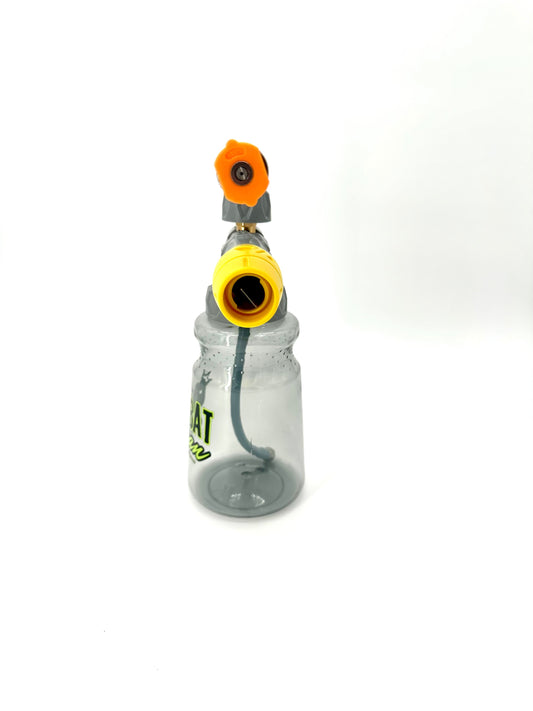
Combat Clean Snow Foam Cannon (Double Action)
Regular price $65.00Regular priceUnit price per -
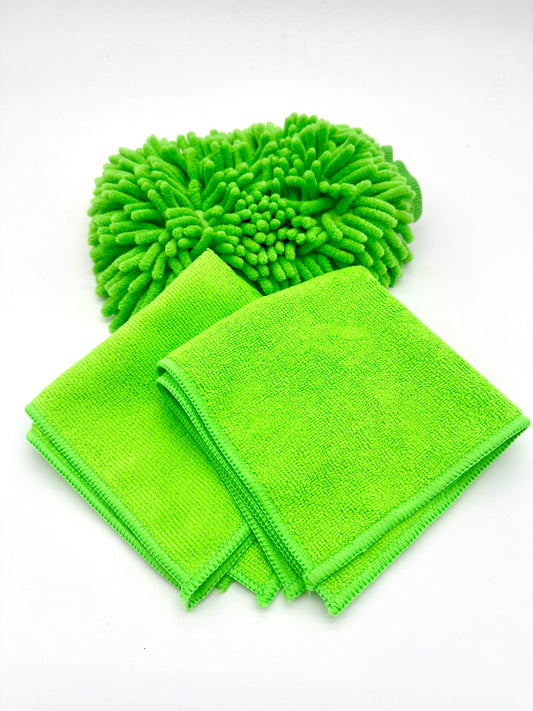
Combat Cleaning Mitt and Towel Combo Set
Regular price $25.00Regular priceUnit price per -
Combat Clean Freedom Finish (Ceramic Waterless Wash)
Regular price From $25.00Regular priceUnit price per -
Combat Clean Grease Grenade (De-Greaser)
Regular price From $25.00Regular priceUnit price per -
Combat Clean Pre Flight (Interior Quick Detail)
Regular price From $25.00Regular priceUnit price per -
Combat Clean Trim Therapy – Trim & Plastic Restorer
Regular price $25.00Regular priceUnit price per -
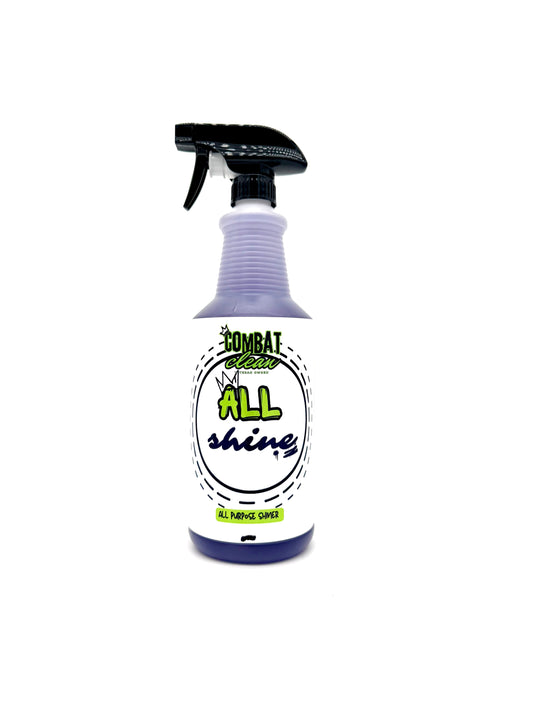
Combat Clean All Shine ( ATV / UTV Plastic / Tire Shine )
Regular price From $25.00Regular priceUnit price per -
Combat Clean Dirt Defender (Super Foam ATV/UTV Shampoo)
Regular price From $25.00Regular priceUnit price per$2,500.00Sale price From $25.00Sale




















Frequently Asked Questions:
Do KRX4 1000 clutch parts differ from KRX 1000 models?
Yes. The Kawasaki Teryx KRX4 1000 and KRX 1000 share a platform but have differences in weight, configuration, and intended use that affect clutch calibration. An accessorized model carrying additional gear adds further variables. Always confirm year and specific model before ordering to ensure the parts match your machine's actual vehicle information.
How long does clutch installation take on a KRX4 1000?
For an experienced rider comfortable with basic mechanical work, installing clutch parts on a Teryx KRX4 1000 typically takes a few hours. Riding conditions the machine is set up for can affect reassembly steps slightly. Tech articles and video resources on the product page walk through the process clearly from start to finish.
When should I replace KRX4 1000 clutch parts?
Belt slippage, sluggish acceleration, or inconsistent engagement during riding are the clearest signs. On a Kawasaki Teryx KRX4 1000 used in demanding riding conditions, clutch components wear faster than they would in controlled conditions. Checking parts regularly, especially after hard use, keeps the system performing correctly and protects the belt from secondary wear.
What's the best clutch upgrade for the Kawasaki KRX4 1000?
The right upgrade depends on vehicle information, including tire size, typical load, and riding conditions. For an experienced rider pushing the Teryx KRX4 1000 on aggressive terrain, performance-tuned components calibrated for that specific use deliver the best results. Ride comfort and engagement feel also improve when the clutch is properly matched to how the machine is actually used.
What are signs of a worn clutch on a KRX4 1000?
On the Kawasaki Teryx KRX4 1000, worn clutch components typically show up as reduced throttle response, belt slippage, rough engagement, or a noticeable drop in performance at vehicle speed. Riding in demanding terrain or running an accessorized model with added weight accelerates wear. Catching it early protects the belt and avoids more involved repairs down the line.